Econova Anaerobic Biodigester
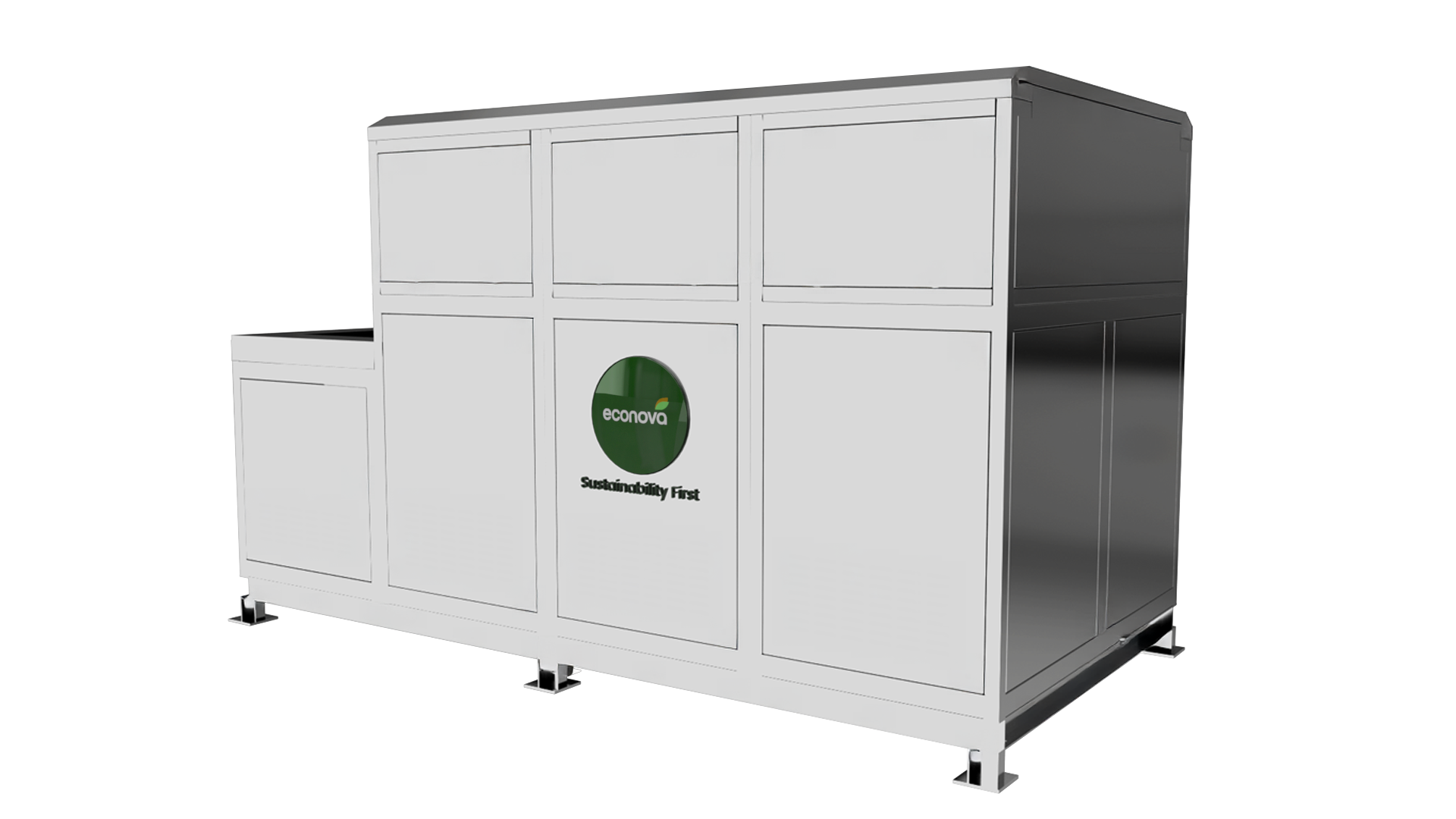
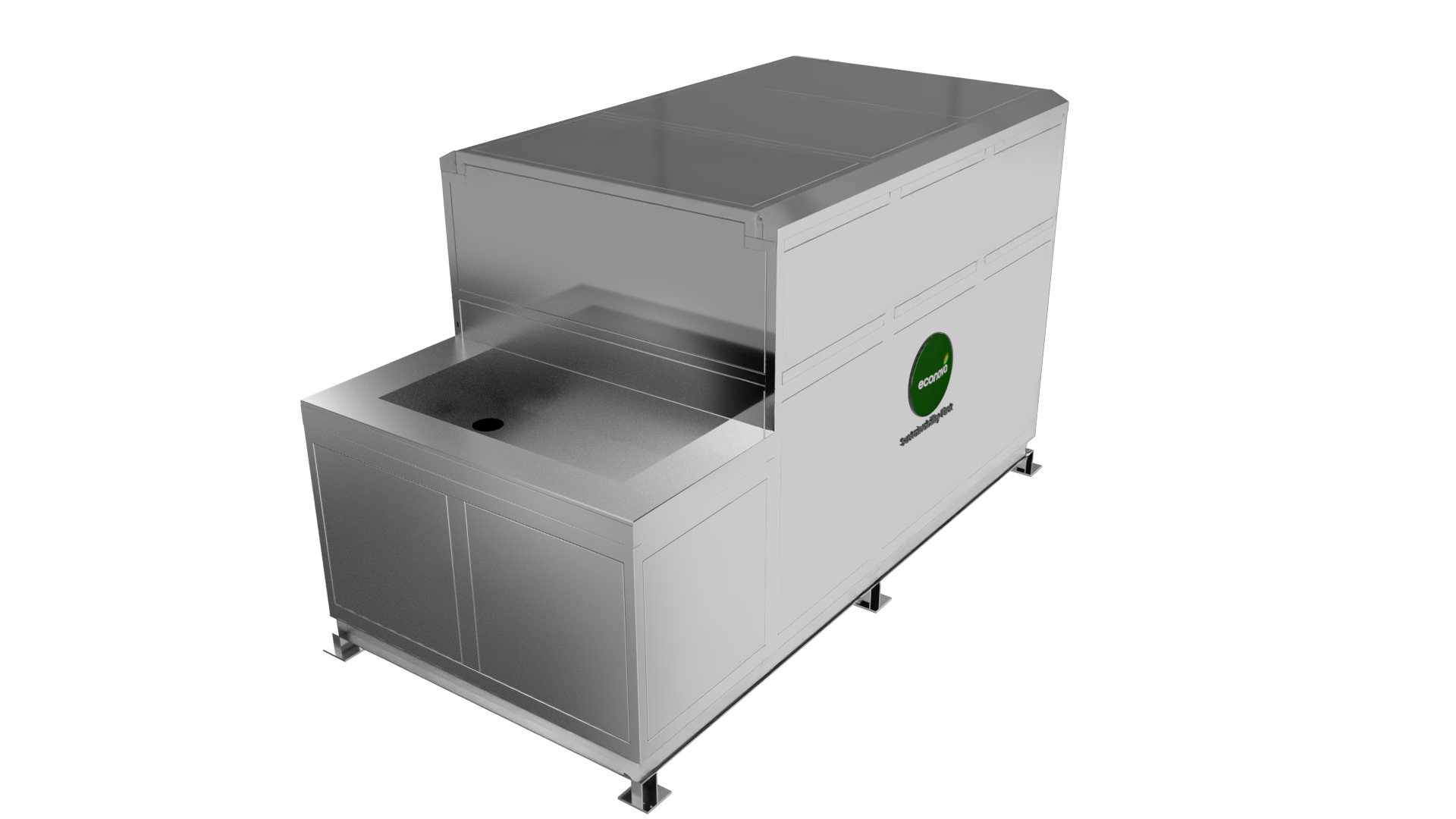
The Econova anaerobic biodigester is an advanced food waste to biogas system that transforms organic waste into clean, renewable energy — through anaerobic digestion, specialised microbes break down waste in an oxygen-free environment, producing biogas rich in methane for cooking, heating, electricity generation, and vehicle fuel when upgraded to biomethane.
What Makes the Econova Anaerobic Biodigester Exceptional ?
- Renewable energy: Reduces dependence on fossil fuels by generating clean, sustainable energy
- Waste reduction: Converts organic waste into a valuable energy source, minimizing landfill waste.
- Improved soil health: Produces digestate, a nutrient-rich byproduct that enhances soil fertility and supports sustainable agriculture.
- Lower greenhouse gas emissions: Prevents methane release from decomposing organic waste, contributing to a cleaner environment.
The Econova Anaerobic Biodigester is an innovative solution designed to convert organic waste into a reliable source of clean energy. Through a natural anaerobic digestion process, microorganisms break down waste in an oxygen-free environment, generating biogas that can be used for cooking, heating, power generation, or upgraded to biomethane for fueling vehicles.
This system not only reduces landfill waste but also lowers greenhouse gas emissions, making it an environmentally responsible choice for industries, businesses, and municipalities. Its automated operation ensures efficiency with minimal human intervention, while the process yields a nutrient-rich byproduct that serves as an organic fertilizer, promoting sustainable agricultural practices.
With its ability to turn waste into a valuable energy resource, the Econova Biodigester is a step toward a cleaner, more sustainable future.
♻️ Smart, Sustainable Waste-to-Energy Solution
Econova Anaerobic Biodigester is available in a range of capacities, from 220 lbs to 5,500 lbs, making it suitable for both small-scale and large-scale composting needs.
How the Econova Anaerobic Biodigester Works
1. Pre-Treatment: Waste Loading & Feeding : Organic waste is first placed into the segregation unit, where it is sorted to remove non-biodegradable materials. Hard particles are then crushed to create a smooth, uniform mixture with water. This homogenous slurry, containing multiple types of organic matter, is transferred into the digester along with essential substrates to optimize the digestion process.
2. Fermentation in the Digester : Inside the digester, the organic material is heated to specific temperatures, creating optimal conditions for microorganisms to break down the waste. This process, known as thermophilic anaerobic digestion, occurs without light or oxygen, effectively converting waste into biogas.
3. Biogas Production & Collection : As microorganisms digest the organic matter, biogas is naturally produced and collected for further processing.
4. Extracting the Digestate : The remaining byproduct, known as digestate, is removed from the system and repurposed as an eco-friendly, nutrient-rich fertilizer, ensuring a zero-waste approach that diverts waste from landfills
5. Purification : Before use, the biogas undergoes purification, where water, hydrogen sulfide, and impurities are removed. The result is biomethane, a clean energy source that can be used for heating, electricity generation, and even as fuel for vehicles.
Cloud Composting
Waste Management, Reinvented
Econova Cloud Composting is transforming sustainability with innovative composting and biogas solutions. Our cutting-edge technology ensures real-time monitoring, providing full visibility into the composting process. With precise data analytics, businesses can track waste diversion, landfill reduction, compost and biogas output, and carbon footprint impact—delivering valuable insights for stakeholders, owners, and investors. Designed for efficiency, our plug-and-play installation makes setup effortless, while advanced safety features guarantee reliability. At Econova, we don’t just manage waste—we transform it into measurable, sustainable impact.
Who Uses the Econova Anaerobic Biodigester?
Hotels and Resorts
Hotels generate 400–800 lbs of food waste per day from kitchen operations, banquet events, and F&B service. The Econova anaerobic biodigester processes that waste overnight, converting it into biogas that can offset kitchen energy costs and hot water heating — while producing digestate for on-site gardens. Cloud Composting data feeds into LEED, Green Key, and BREEAM sustainability reporting.
Restaurants and Food Service
For restaurant groups and large food service operations generating 100–500 lbs of food waste per day, the Econova biodigester eliminates hauling costs while generating usable food waste to biogas energy. The system operates silently overnight in back-of-house areas. SB 1383 compliance documentation is generated automatically via Cloud Composting.
Hospitals and Healthcare Facilities
The Econova biodigester’s fully enclosed, odour-free operation meets healthcare hygiene requirements. Biogas output supplements facility boiler or hot water systems, reducing energy costs. Cloud Composting provides verified waste diversion data for Joint Commission environmental stewardship documentation and ESG reports.
Municipalities and Public Sector
The Econova commercial biodigester processes up to 5,500 lbs per day — functioning as a full organic waste biodigester for city-scale applications. Verified diversion reports satisfy CalRecycle SB 1383 documentation requirements without manual record-keeping.
Farms and Agriculture
For agricultural operations and food processors, the Econova biodigester converts food waste, crop residue, and organic byproducts into biogas energy and digestate fertiliser — reducing synthetic fertiliser costs and improving soil health alongside the energy savings.
Eonova Biodigester Models & Capacities
The Econova anaerobic biodigester is available in 10 capacity models — from the BD-220 for small restaurants to the BD-5500 for municipal-scale facilities. Not sure which model fits? Use our free ROI Calculator.| Model | Capacity | Biogas output* | Best for |
|---|---|---|---|
| BD-220 | 220 lbs/day | ~200 ft³/day | Small restaurant, café group |
| BD-300 | 300 lbs/day | ~270 ft³/day | Mid-size restaurant, hotel kitchen |
| BD-500 | 500 lbs/day | ~450 ft³/day | Large restaurant, hospital cafeteria |
| BD-750 | 750 lbs/day | ~675 ft³/day | Hotel F&B, university dining |
| BD-1000 | 1,000 lbs/day | ~900 ft³/day | Large hotel, regional hospital |
| BD-1500 | 1,500 lbs/day | ~1,350 ft³/day | Resort, convention centre, corporate campus |
| BD-2000 | 2,000 lbs/day | ~1,800 ft³/day | Large resort, city facility, large hospital |
| BD-3000 | 3,000 lbs/day | ~2,700 ft³/day | Airport, multi-site campus, municipality |
| BD-4000 | 4,000 lbs/day | ~3,600 ft³/day | Industrial facility, regional food processor |
| BD-5500 | 5,500 lbs/day | Custom | Large municipal facility, waste hub |
* Approximate biogas output at standard organic loading rates. Actual output varies by waste composition and operational parameters.
Frequently Asked Questions — Econova Anaerobic Biodigester
What is an anaerobic biodigester and how does it work?
An anaerobic biodigester is a sealed system where microorganisms break down organic waste without oxygen. The Econova biodigester accepts food waste, mixes it into a slurry, heats it to thermophilic temperatures, and processes it over 24–48 hours — producing biogas (for energy) and digestate (liquid fertiliser). The process is fully automated.
How is the Econova Biodigester different from the Econova Composter?
The Econova Composter produces dry, solid compost using aerobic composting — best for facilities wanting a compact, simple solution. The Biodigester uses anaerobic digestion to produce biogas energy and liquid digestate — best for facilities wanting energy recovery and higher-volume processing. Both satisfy SB 1383 compliance. Contact us for a free assessment.
What types of organic waste can the biodigester process?
All standard food waste: fruit and vegetable scraps, cooked and raw meat, dairy, bread, grains, coffee grounds, and food-soiled paper. Agricultural residue is also compatible. Non-biodegradable materials and packaging must not be loaded.
How much biogas does the system produce?
Approximately 0.9 ft³ of biogas per lb of volatile solids processed. A BD-1000 unit generates ~900 ft³/day — enough to replace a significant portion of commercial kitchen cooking gas or hot water heating. Our team can provide a site-specific energy output estimate.
What is digestate and what can it be used for?
Digestate is the nutrient-rich liquid byproduct containing nitrogen, phosphorus, and potassium. Agricultural customers use it directly as organic fertiliser. For urban facilities without agricultural access, digestate is collected by a local waste hauler. It is classified as a beneficial use material and does not require landfill disposal.
What are the installation requirements?
Installation requires a reinforced floor, water supply for slurry preparation, electrical connection, and a biogas connection point. Our team handles delivery, commissioning, and staff training — most installations are completed in 2–3 days.
Does the biodigester help with California SB 1383 compliance?
Yes. Anaerobic digestion is an approved organic waste diversion method under SB 1383. The Econova biodigester processes food waste on-site, and Cloud Composting generates verified monthly diversion reports for CalRecycle compliance filing. Contact us to discuss your specific requirements.
What ROI can I expect from an anaerobic biodigester?
ROI comes from eliminated hauling costs (typically $500–$2,000/month for mid-to-large facilities) and energy savings from biogas use. Agricultural customers also benefit from reduced fertiliser costs. Most facilities achieve payback in 24–48 months. Use our free ROI Calculator →
Is financing available for the Econova Biodigester?
Yes. Econova offers flexible leasing, monthly payment plans, and pay-per-tonne arrangements. Monthly payments are typically offset by hauling and energy savings from month one. Contact us at info@theeconova.com to discuss options.
What does Cloud Composting monitoring include for the biodigester?
Cloud Composting tracks: organic waste processed, biogas output, energy equivalent generated, digestate volume, landfill diversion percentage, CO₂ avoided, and machine health. Monthly reports export as PDF for SB 1383 compliance, ESG reporting, and LEED submissions.
Turn Your Food Waste Into Energy
Get a free on-site assessment and custom ROI estimate. Our team will assess your daily waste volumes, energy needs, and compliance requirements — at no cost.